The Complacency Premium
A sensible energy policy would walk and chew gum at the same time – something one doubts any member of the front bench is capable of.
By The Wobbly Editor, 11 March 2026
The Chancellor of the Exchequer is well-used to political humiliation, so it was perhaps water off a duck’s back to see her flagship economic statement rendered obsolete within just a week. Although even for her, that must be some kind of record.
Just over seven days ago, Rachel from Accounts stood at the dispatch box and delivered a Spring Statement of crushing emptiness. Its defining feature was a profound, almost serene…, no, insane, complacency. Her message (if not the dawning of reality) was clear: the plan is working, the ship is steady, and the Government has everything under control.
Today, with UK wholesale gas prices having spiked by 50% in the wake of the escalating conflict in the Middle East, that complacency looks not just foolish, but dangerous. The ship is sailing directly into a geopolitical storm, and the Government has spent the last two years burning its own lifeboats.
This is not an unforeseeable crisis. For years, experts have warned that the UK’s energy security is a house built on sand. We are, as a nation, uniquely vulnerable to shocks in the global gas market. We are heavily reliant on gas for heating and electricity, have some of the lowest gas storage capacity in Europe, and have become increasingly dependent on imports of Liquefied Natural Gas (LNG) - much of which arrives on tankers from the Middle East.
This was a strategic vulnerability that demanded a serious, long-term plan. Instead, the Government has pursued an energy policy that has actively weakened our position. Ed Miliband has, in the name of his Net Zero fanaticism, killed all new investment in the North Sea, treating our domestic oil and gas industry as a strategic inconvenience. Prohibitions on new well-drilling, along with a punitive windfall tax, which the Chancellor has only vaguely promised to end at some point next year, has chilled investment and sent a clear signal that the Government is not interested in domestic fossil-energy production.
A sensible energy policy would walk and chew gum at the same time – something one doubts any member of the front bench is capable of. It would pursue a gradual, market-led transition to renewables, while simultaneously maximising our domestic fossil fuel resources to ensure a stable and affordable supply during that transition. This Government has chosen to do neither. It has not delivered the green revolution it promised, and it has deliberately run down the natural resources we already have.
Now, the bill for that complacency is coming due. The July price cap is forecast to surge by at least 10%, adding another £160 to the average annual household bill. Inflation, which the Chancellor was so keen to take credit for taming, is now forecast to end the year closer to 3% than the 2% target. The British Chambers of Commerce has warned of the severe impact on businesses still struggling to recover from just about every other possible salvo a business-hostile Chancellor could have fired at them in the past 18 months.
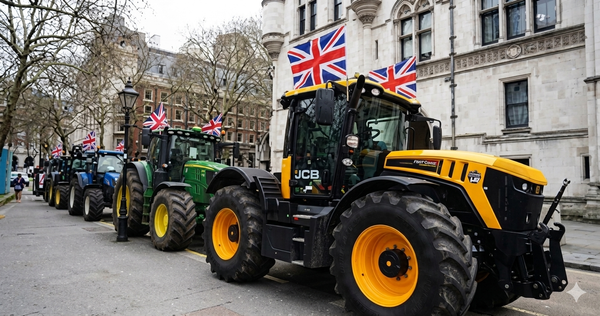
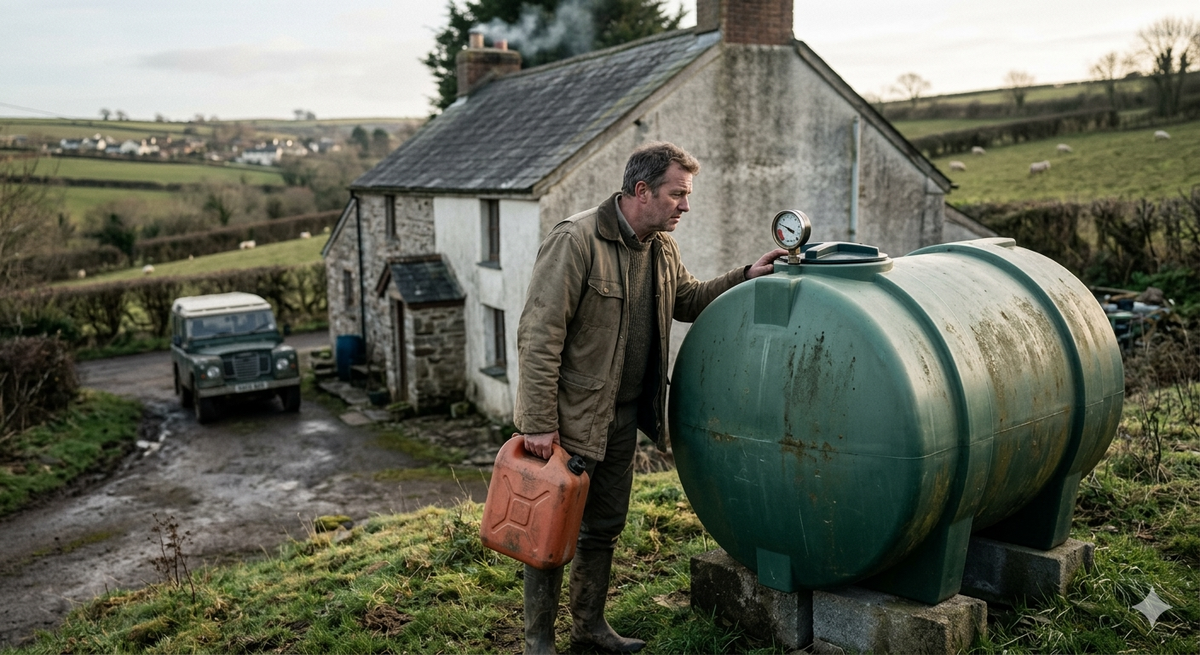
Nowhere will this be felt more acutely than in the rural South West. For the thousands of households in Devon, Dorset, Cornwall, Somerset, Wiltshire and Gloucestershire who are not connected to the gas grid, the crisis is already here. They rely on heating oil, the price of which is tied to the soaring cost of jet fuel. In the past week, some have seen their bills more than double. This is not a forecast - it is a present reality. It’s another hammer-blow to rural life, imposed by a Government that simply doesn’t care.
The Chancellor’s Spring Statement mentioned energy only in passing, and instead boasted of falling bills that are now set to rise again. Notwithstanding the US armada gathering in the Gulf at the time, there was no sense of urgency, no recognition of the geopolitical risks, no mention of energy security. It was the statement of a Government that has become a spectator to events, one that has outsourced our national security to the whims of the global market and the calculations of hostile states.
There is a premium to be paid for such complacency. It will be paid by businesses, by households, and most of all, by the rural communities who are once again on the front line of a crisis they did not create. The Government may have been hoping for a quiet run-in to the local elections. The world, it seems, has other ideas.