The Last Publican: How Whitehall is Calling Time on the British Pub
The Government must start treating the British pub not as a cash-cow to be milked dry, but as a national asset to be protected.
By The Wobbly Editor, 31 January 2026
The British pub is dying, and the Government knows exactly what it is doing. In 2025, a pub closed its doors for good every single day. Nearly two thousand have vanished in the last five years. Since the turn of the millennium, the nation has lost over 15,000 of these vital institutions.
This is not the result of changing tastes, shifting demographics, or the inevitable march of “progress”. It’s the direct and foreseeable consequence of a series of fiscal policies so punishing they appear almost designed to fail the hospitality sector. Under the stewardship of the hapless Rachel Reeves, the pub - that most quintessentially British institution - is being systematically dismantled by a government that views it as nothing more than another source of tax-revenue.
The Social Ledger of the Rural West
Nowhere is this felt more keenly than in the South West. In the region’s towns and villages, the pub is often the last remaining communal space - the final defence against the quiet crisis of rural loneliness. Research has put a figure on what communities have always known: for every Pound invested in a pub’s local services, over eight Pound of social value is generated. Yet, this value appears to count for nothing in Whitehall.
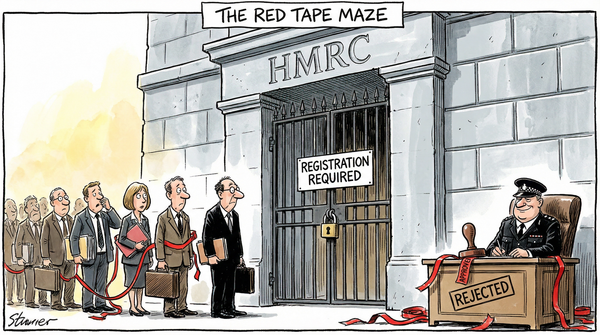
The primary weapon in this assault is the business rates system, a tax regime so detached from economic reality that it has become ruinous for publicans. The Valuation Office Agency’s latest revaluation delivered a crippling blow, with rateable values for pubs set to increase by an average of 30%. Before a last-minute U-turn, the industry was facing an average bill increase of a staggering 76% over the next three years.
In response to the backlash, the Chancellor announced a support package in January. The Government hailed its 15% discount and two-year freeze as a lifeline. The industry knew better. As Chris Tulloch, the managing director of Blind Tiger Inns, bluntly put it: “It’s almost like the government are saying to pubs ‘we were going to shoot you and now we’re not”. The package is frankly inadequate – nothing more than a temporary reprieve that fails to address the fundamental flaws of a broken system.
Nor is this an isolated policy failure. It’s part of a broader pattern of misbehaviour by Rachel from Accounts. In April 2025, employer National Insurance contributions were hiked from 13.8% to 15%, a direct tax on providing jobs. The threshold was simultaneously lowered, adding an estimated £1 billion in costs to the hospitality sector. Add to this the relentless pressure of high energy bills, and the picture becomes clear: the Government has created an environment where it’s almost impossible for a pub to survive.
The South West is a case study in this decline. In Kingsbridge, Devon, three much-loved businesses closed in a single week. In Starcross, also in Deven, the Driftwood Inn has shut its doors. The historic Port Royal on Exeter’s quayside is another casualty. These aren’t just statistics – they’re real-time tragedies for the effected communities, the direct result of a policy framework that disproportionately punishes businesses with a physical presence.
The Accountability Vacuum
This is compounded by a concerning lack of accountability. The Government’s decision to postpone local elections in 29 councils, including Exeter and Cheltenham, has removed a crucial democratic check. It’s a move that insulates local councils from the consequences of their inaction and leaves publicans and the communities they serve with little recourse.
Resisting the Managed Decline
What, then, is to be done? The answer is not more short-term fixes from our woeful, woeful Chancellor. The crisis facing Britain’s pubs requires a fundamental change in policy from a government that has proven itself hostile to their existence. It requires a root-and-branch reform of the business rates system to create a fair and modern framework that does not penalise success and investment.
More than that, it requires a recognition of what’s being lost. These are not just places to drink. They are the first jobs many of us will have. They are the hubs of our communities, the engines of local economies, and the guardians of a social cohesion that is becoming dangerously frayed.
The call to action therefore, is to demand that this Government starts treating the British pub not as a cash-cow to be milked dry, but as a priceless national asset to be protected. We must demand a fair tax system that gives them a fighting chance. We must hold our elected officials to account for the destruction they are presiding over. It’s time for a genuine change of course, before it is too late.