The Nanny State’s New Playground
This Government's instinct is always to control, to restrict, to ban.
By The Wobbly Editor, 28 March 2026
The current administration in Whitehall is cut from a particular cloth. Upon discovering a problem, real or imagined, it can only conceive of one solution: a ban. And this goes for both Houses. For the second time in as many weeks, the unelected upper chamber has voted to prohibit social media for under-16s, piling pressure on a Prime Minister who seems increasingly inclined to agree with them. Keir Starmer, having initially resisted the calls, now vows to “fight” social media firms ... a sure sign that a policy U-turn is imminent?
The proposal is being sold, as all such proposals are, as a measure to “protect children”. It’s a noble sentiment. But the road to serfdom is paved with such good intentions - they always are. Bans are always sold on the premise of what it is they’re intended to ‘protect’ – it was forever thus. But as is always the case, no one considers the unintended consequences. It’s a policy that is not only unworkable, but dangerous.
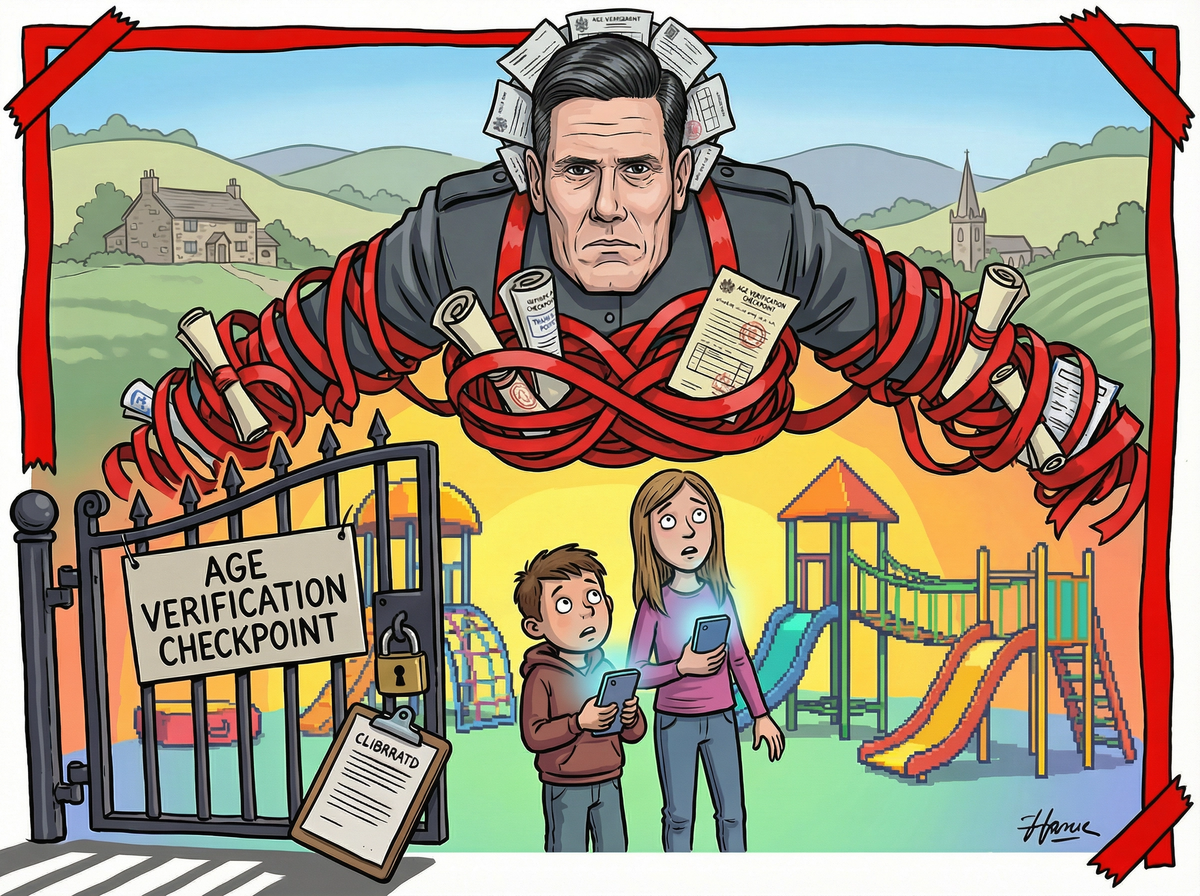
Let us consider the practicalities. A ban on social media for under-16s would require a vast and intrusive system of age verification. We’ve already had a glimpse of what this would look like, with Apple rolling out age checks for UK iPhone users. To access “certain services,” users will now have to prove they are over 18, a process that could involve handing over credit card details, a passport, or a driving licence to a tech giant. The Government, in its infinite wisdom, wants to extend this principle to the entire internet.
This isn’t just a privacy nightmare – it’s a direct assault on the principle of parental authority. It is a declaration that the state, not the parent, is the ultimate arbiter of what a child can and cannot see. It’s a vote of no confidence in the ability of families to navigate the complexities of the digital world. And it’s a policy that will, inevitably, fail. Young people are not stupid. They will find workarounds. They will simply use VPNs. They will create fake accounts. They will, in short, do what young people have always done when faced with arbitrary and unreasonable restrictions: they will ignore them.
The result will not be a safer internet, but a more dangerous one. It will be an internet where young people are pushed towards the darker corners of the web, away from the mainstream platforms that, for all their faults, have at least some level of moderation and accountability. It will be an internet where the Government has even less visibility and even less control.
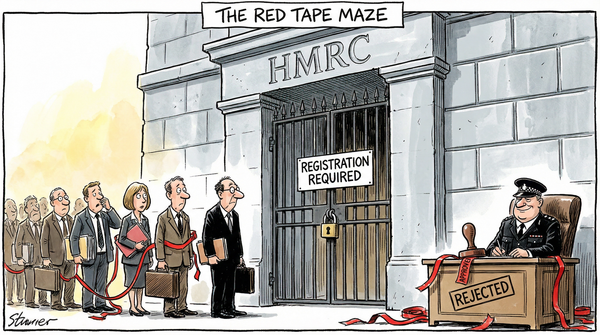
This is the recurring theme of this Government: a relentless and misguided faith in the power of regulation. From the disastrous gambling affordability checks to the ever-expanding web of employment law, to the latest mission announced this week to ‘ban trail hunting’ - the instinct is always to control, to restrict, to ban. It's a Government that sees a problem and reaches for a legislative sledgehammer, with little thought for the collateral damage.
The Prime Minister may believe that by “fighting” social media firms, he's showing that he's tough. But how is his last hard-man persona of 'smashing the gangs' working out? What he’s actually doing is undermining the foundations of a free and open society. He’s creating a digital world where the state is the gatekeeper, where privacy is a privilege, and where parental responsibility is a thing of the past. That is a fight that he cannot be allowed to win.