The Postponement of Local Elections: A South West Perspective
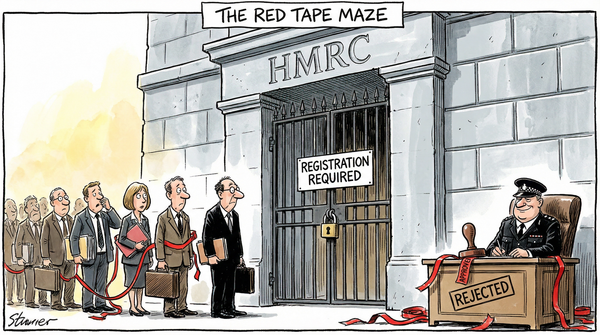
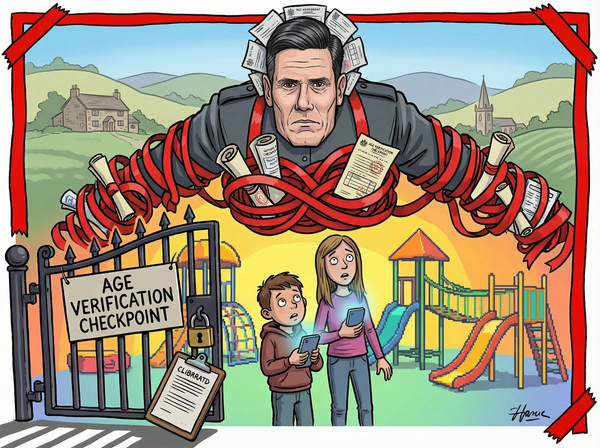
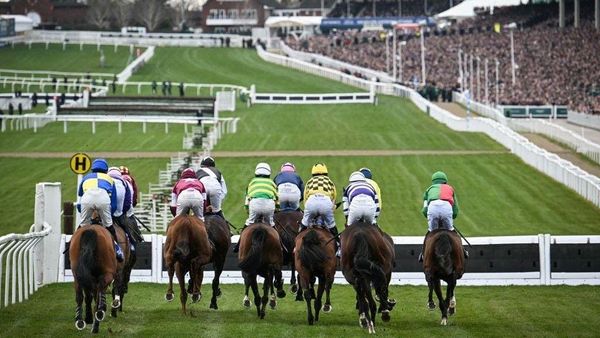
The message being sent is that when the electoral outlook is unfavourable, the solution is not to win the argument, but to cancel the contest.
By The Wobbly Editor, 28 January 2026
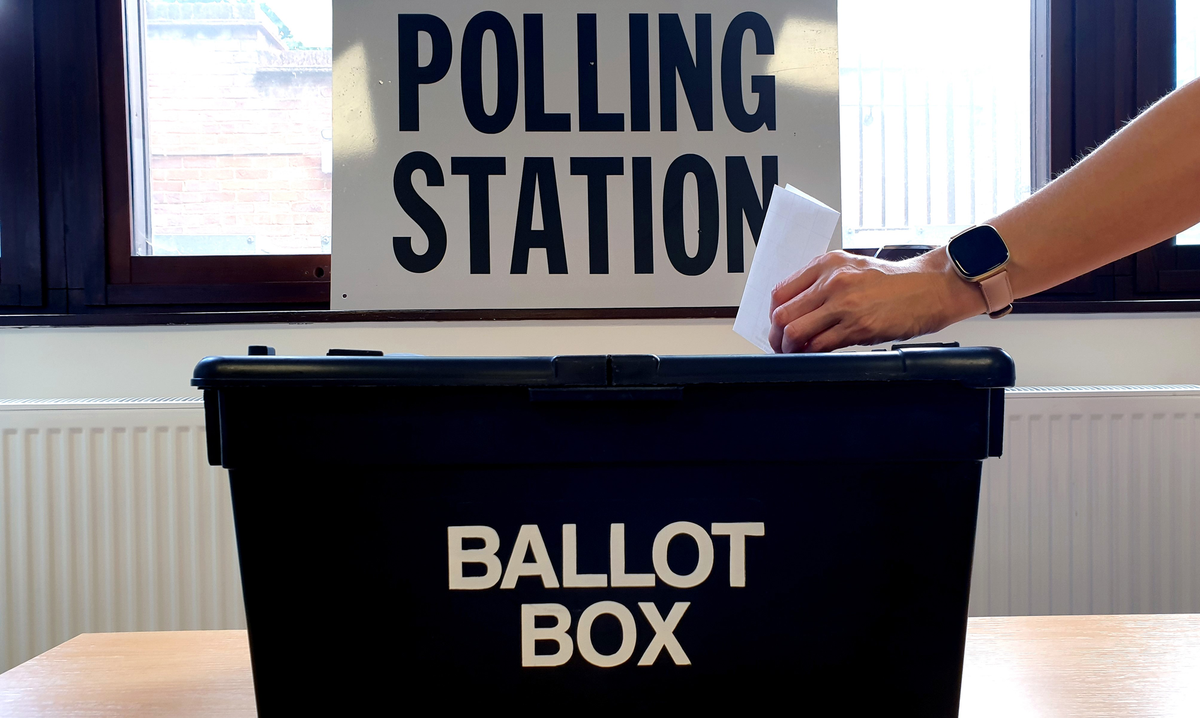
The decision by the Government to postpone the May 2026 local elections in 29 local authorities, including the South West hubs of Exeter and Cheltenham, has ignited a fierce debate about the health of British democracy.
While the official rationale cites the administrative burdens of Local Government Reorganisation (LGR), the move is viewed by many as a politically motivated manoeuvre to avoid a reckoning with the electorate, particularly in the face of surging support for Reform UK. For the 4.5 million voters affected, and for the businesses that rely on accountable local governance, the decision raises profound questions about the Government's commitment to the democratic process.
A Climate of Political Fear?
The timing of the postponements can’t - and shouldn’t - be divorced from the current political landscape. The May 2025 local elections saw a dramatic surge for Reform UK, which secured 41% of contested seats and gained control of 10 councils. Projections indicate that nationwide elections at that time would have seen Reform UK emerge as the largest party in local government with an estimated 32% of the vote, while Labour would have fallen to a historic low of 19%.
Against this backdrop, the Government's decision to delay elections in a significant number of councils - the majority of which are Labour-led - is seen by critics as a transparent attempt to evade a similar electoral verdict in 2026. The argument is that the Labour Party, facing an "existential threat" from Reform UK, is using the LGR as a convenient pretext to sidestep a potentially damaging set of local elections. In essence, we have a government that is running scared, prioritising political survival over the fundamental right of the electorate to cast its vote.
The South West: A Case Study in Democratic Deferral
In the South West, the impact of this decision is particularly acute. The postponements in Exeter and Cheltenham exemplify the problematic nature of the Government's policy.
In Exeter, the Labour-led council's request to delay its election was based on a claimed "lack of capacity" to manage both the LGR transition and the electoral process. For local businesses and residents, this justification is troubling. It suggests that the core function of democracy is a dispensable luxury that can be set aside for administrative convenience. If nothing else, it creates an accountability vacuum, leaving the Council to make critical decisions on planning, infrastructure, and local taxation without a fresh mandate from the people it serves.
The situation in Cheltenham is even more pointed. The Liberal Democrat-led council, having held "all-out" elections in 2024, argued that another election in 2026 would be a waste of public funds, creating "lame-duck" councillors. This argument has been met with accusations of hypocrisy, as the same party had previously condemned similar proposals from their political opponents. For the local business community, this inconsistency and the resulting uncertainty are detrimental to say the least. Investment and long-term planning are predicated on a stable and predictable governance framework, which is undermined when the electoral cycle itself becomes a political football.
The Rise of Zombie Councils – and Business of Uncertainty
The postponement of elections creates a climate of uncertainty that is toxic to business growth. For the tech clusters in Exeter and the retail and service sectors in Cheltenham, accountable and responsive local government is not an abstract principle but a practical necessity. Businesses require clarity on local tax regimes, planning and zoning regulations, and infrastructure investment. When councils are shielded from the electorate, the incentive to be responsive to the needs of the local economy is diminished.
These "zombie" councils, with some councillors serving for up to seven years without facing the voters, are less likely to make the bold, forward-looking decisions required to foster a competitive business environment - although many would argue that’s a good thing, depending on which party is at the helm. Whichever way you look at it though, the risk is one of stagnation and paralysis, as unelected and unaccountable officials are incentivised to avoid difficult decisions and maintain the status quo. For a region like the South West, with its significant growth potential, this democratic deficit represents a tangible economic threat.
A Dangerous Precedent
The Government's decision, while framed as a pragmatic solution to an administrative problem, sets a dangerous precedent. It reinforces the perception that democratic processes are negotiable and can be subordinated to the political calculations of the party in power. Reform UK’s pending legal challenge to the postponements, with a judicial review scheduled for late February, will be a critical test of the legal underpinnings of this executive action.
By then though, the political damage may well have already be done. By denying 4.5 million people their vote, the Government has added fuel to the narrative of a political class increasingly detached from the people it’s supposed to serve. In the South West and across the country, the message being sent is that when the electoral outlook is unfavourable, the solution is not to win the argument, but to cancel the contest. This is a corrosive idea, and one that strikes at the very heart of the United Kingdom's democratic settlement.
The mandate is expired. The booths are empty. The status is quo. Stay Wobbly.