The Road to Ruin is Paved with Good Intentions
The Cheltenham Festival is a roaring success. So, naturally, the Government has decided to try and break it.
By The Wobbly Editor, 21 March 2026
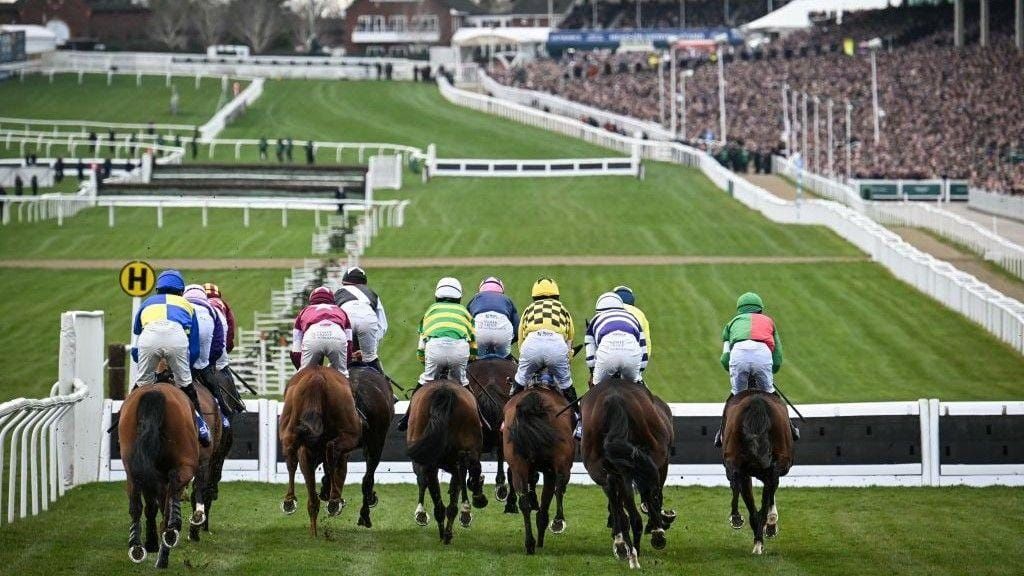
The Cheltenham Festival, which concluded last week, is more than just a horse race. It’s a vast, churning ecosystem of commerce, a four-day festival of human optimism that, according to the University of Gloucestershire, injects some £274 million into the local economy. It is, in short, a roaring success. So, naturally, the Government has decided to try and break it.
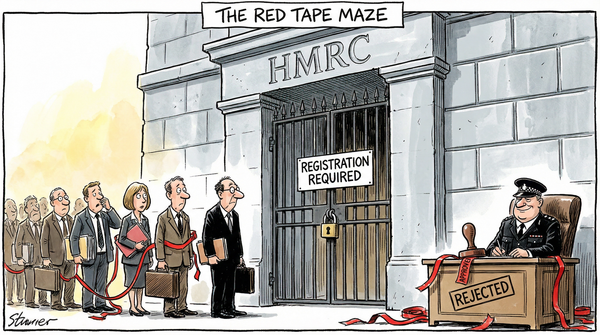
The chosen instrument of destruction is a new regime of “affordability checks,” a masterpiece of bureaucratic overreach that could only have been conceived in the sterile corridors of this utterly inept administration. Under the Gambling Commission’s proposals, anyone spending £1,000 in 24 hours, or £2,000 over 90 days, will be required to submit personal financial documents - bank statements, payslips - to prove they can afford their hobby. The Government, with a straight face, insists this process will be “frictionless.”
No one believes them. The Betting and Gaming Council (BGC) estimates that 120,000 racing punters will be caught by these checks, and that 96,000 of them will simply refuse to hand over their private financial data to a betting company. The result is not that these people will stop betting. It’s that they will take their business elsewhere.
And “elsewhere” is the black market. The BGC has warned that an estimated £60 million was staked with illegal, unregulated offshore bookmakers during this year’s Cheltenham Festival alone. This is the entirely foreseeable consequence of the Government’s policy. In its paternalistic zeal to “protect” the consumer (isn’t it telling, how much this Government think we need ‘protecting’), it’s driving tens of thousands of them into the arms of operators who offer no protection whatsoever. No age verification, no responsible gambling tools, no connection to the British legal system. It’s a policy that achieves the precise opposite of its stated aim.
This is not a niche issue. The entire British racing industry, from the Jockey Club to the British Horseracing Authority to leading trainers like William Haggas, has united in opposition to these proposals. They understand that the flow of money from betting is the lifeblood of the sport. Choke it off with clumsy, intrusive regulation, and you kill the industry that supports it.
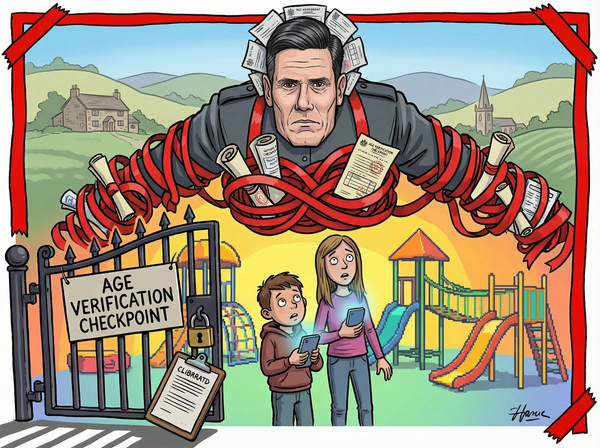
But when did clumsy regulation ever stop Rachel from Accounts? This Government seems deaf to such arguments. It’s addicted to the idea that every problem can be solved with more red tape, more bureaucracy, more state intervention. It is a Government that sees a successful, self-sustaining industry like horse racing and instinctively reaches for the rulebook. It is a Government that believes it knows how to spend your money better than you do.
The affordability checks are not just an attack on racing; they’re an attack on the principle of individual liberty. They are a declaration that the state has the right to peer into your bank account and decide whether your chosen form of entertainment is “affordable.” It’s a presumption of guilt, a vote of no confidence in the ability of ordinary people to manage their own affairs.
The road to ruin is paved with good intentions. The Gambling Commission may genuinely believe it’s acting in the public interest. But the result of its actions will be a weaker racing industry, a stronger black market, and a further erosion of personal freedom. For the £274 million economy of the Cheltenham Festival, and for the 96,000 punters who will be driven underground, that is a price far too high to pay.