The Soul of a City is Not a Museum Piece
The recent approval of the Wapping Wharf North plot by Bristol City Council marks a significant milestone in a 20-year regeneration vision for the city's Floating Harbour.
By The Wobbly Editor, 25 February 2026
I find myself in Bristol with some increasing regularity. Each time I'm struck by the same paradox. Here is a city with a defiant, independent spirit. It’s a hub of technological innovation coupled with a cultural vibrancy that many larger cities can only envy. Yet for all its dynamism, it often seems to be fighting against itself, its growth constrained by a mix of infrastructural inertia and a kind of well-meaning but ultimately stifling ‘preservationism’.
This tension has been particularly acute in relation to the City’s iconic Floating Harbour. For years, the narrative has been one of managed decline or, at best, piecemeal regeneration. And yet, quietly, patiently, a different story has been unfolding at Wapping Wharf. What was once a derelict shipyard, a post-industrial scar on the waterfront, has been transformed over two decades not by a grand government scheme, but by the patient capital and long-term vision of a single family-run company, Umberslade.
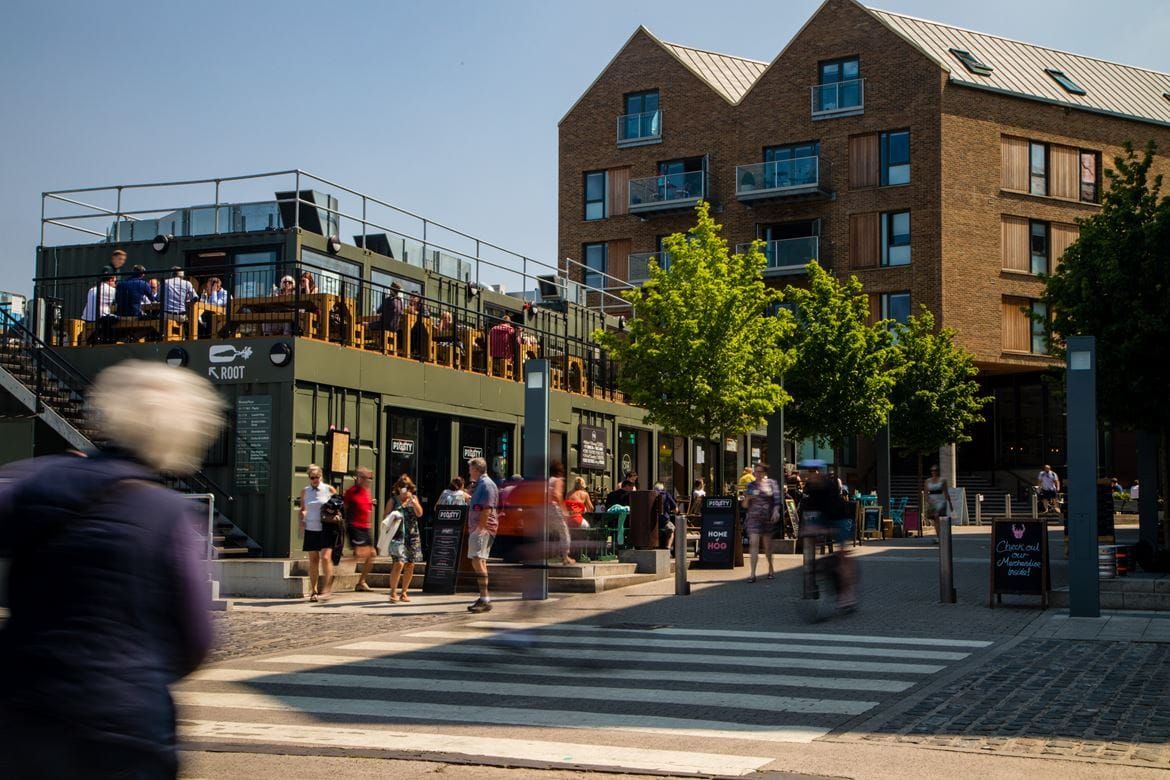
Their approach has been no less than inspirational. Instead of imposing a sterile corporate vision, they created a space for the City’s independent spirit to flourish. The Cargo development, a collection of repurposed shipping containers, became a bustling home for small, independent restaurants, bars, and shops. It was a gamble that paid off, creating one of the most vibrant and authentic quarters in not just Bristol, but arguably the whole country. It was, in essence, a market-led solution that worked precisely because it understood the soul of the place.
This week, that story entered its next chapter. Bristol City Council has given its approval for the final piece of the puzzle: the Wapping Wharf North plot. This is not just another block of flats. It’s the culmination of that 20-year vision. The plans will deliver 245 much-needed apartments, including affordable housing, but just as importantly, they will create a permanent home for those independent currently-container-based businesses. The temporary, bohemian charm of the shipping containers will be translated into a permanent market hall and retail spaces, securing the future of the very businesses that made the area such a success.
Of course, no such proposal in a city like Bristol comes without controversy. Objections have been raised, as they always are, about the impact on heritage. The new ten-storey building, it is argued, will impinge upon the view of the historic dockside cranes in front of the M Shed museum. These are not frivolous concerns. A city’s heritage is important, a physical link to its past and its identity.
But a city is not a museum. Its soul is not found in preserving a perfect, static vista for postcards. It’s found in the life that is lived within it. The choice before the council was not between development and heritage, but between two different kinds of heritage. One is the static heritage of industrial relics, silent and preserved. The other is the living heritage of a thriving, independent economy, of people living and working and creating, of a community being built. The council, to its credit, has understood that the latter is more valuable.
What is happening at Wapping Wharf is a lesson in what genuine, pro-business, pro-community development looks like. It’s not about grand pronouncements from Whitehall or the imposition of a one-size-fits-all corporate template. It’s certainly not about any form of ‘industrial strategy’ (shiver!) It’s about a risk-taker taking a long-term stake in a place, understanding its character, and creating the conditions for organic growth. Umberslade’s 20-year commitment stands in stark contrast to the short-termism that characterises so much of modern development.
This is the kind of purposeful regeneration that actually works. It delivers homes, creates jobs, and nurtures the small, independent businesses that are the lifeblood of our economy. It shows that it’s possible to build for the future without erasing the character of the past. The question this welcome decision poses to the rest of the South West, and indeed the country, is a simple one: do we want our cities to be curated museum pieces, or do we want them to be living, breathing places where people can build their futures? Bristol, this week, gave the right answer.
Keep Growing. Stay Wobbly.